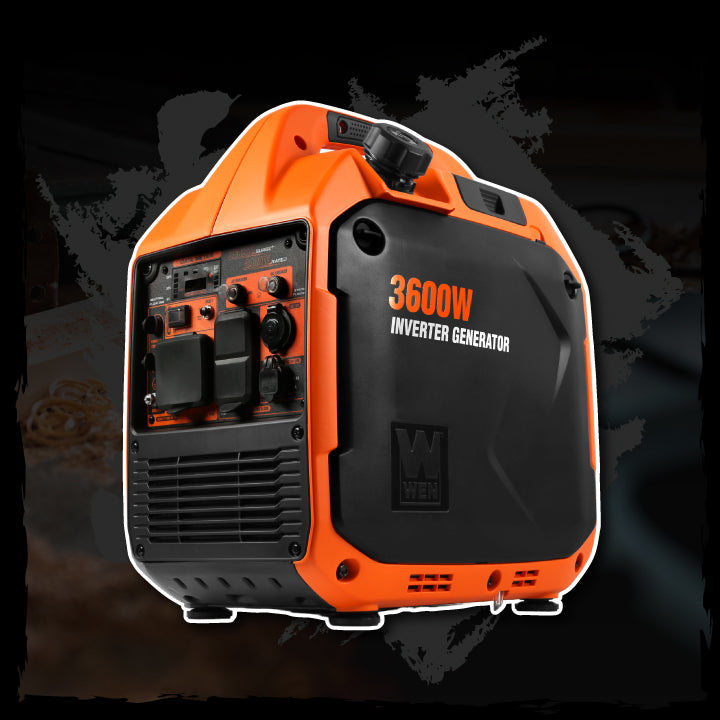
3600-Watt Portable Inverter Generator
Doc’s confirmed generator example for pairing with a 5kWh-class power station. Quiet inverter with built-in TT-30R (RV) outlet — use a gentle continuous charge so you don’t overload the generator.
Living draft of how Doc pairs a Pecron F5000-class station with a small inverter generator and gas cans for multi-day outages — the smaller “whole-house plug” style setup (vs. a big modular farm system).
Watch Doc’s overview first. Insights below are summarized from this video and will be refined as the transcript review finishes.
Source: youtube.com/watch?v=kmGROIl8NCk — How to run your house off-grid for days
Economical inverter generators in the ~3,600–4,000 W band with a built-in TT-30R (RV) outlet.
Doc’s confirmed generator example for pairing with a 5kWh-class power station. Quiet inverter with built-in TT-30R (RV) outlet — use a gentle continuous charge so you don’t overload the generator.
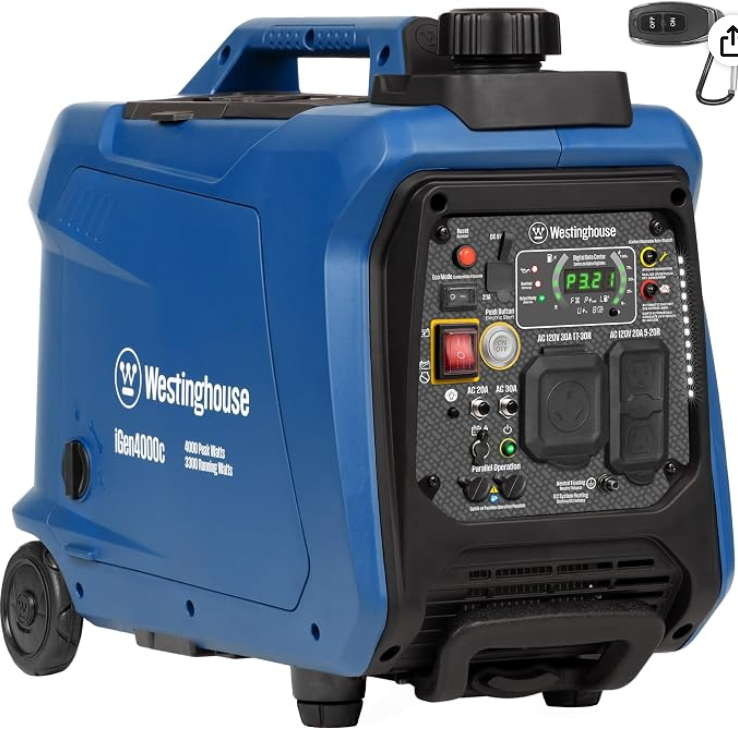
4000 Peak Watt Super Quiet Portable Inverter Generator, Remote Electric Start with Auto Choke, RV Ready 30A Outlet
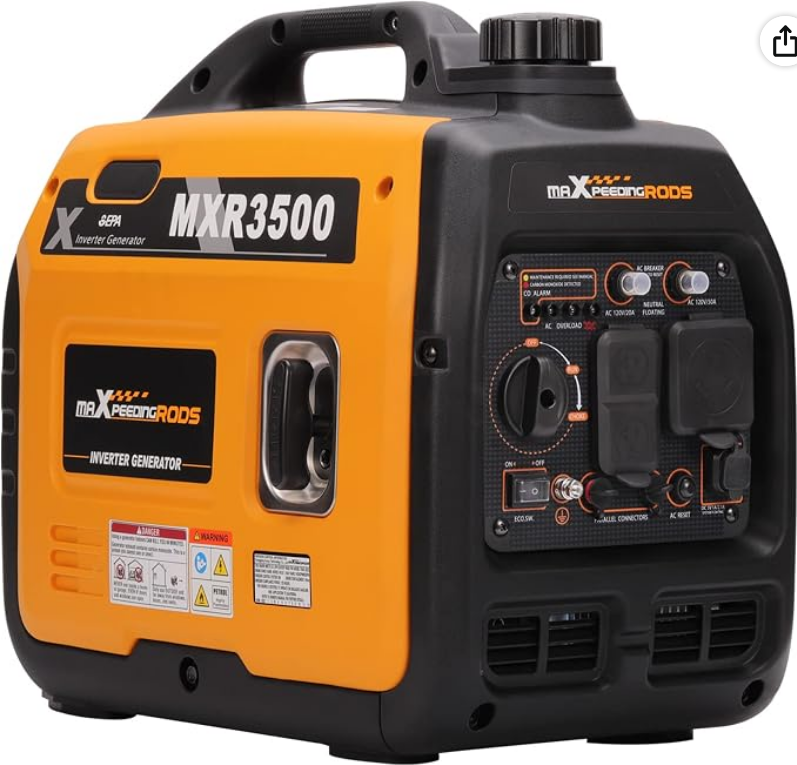
Good value for an inverter generator
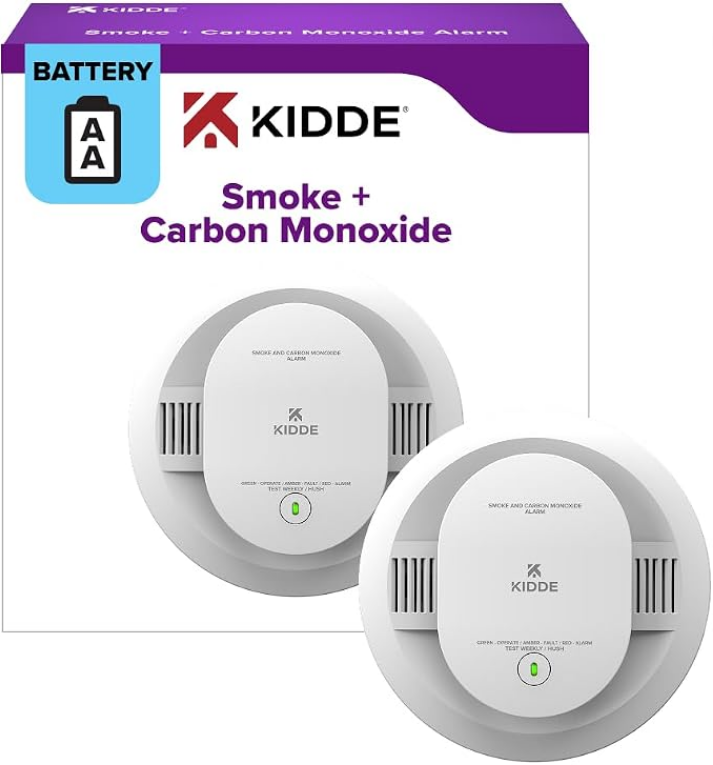
Combination smoke and carbon monoxide alarm that runs on AA batteries, so it keeps protecting your home during a power outage. A must-have when running a generator, because CO is invisible, odorless and deadly.
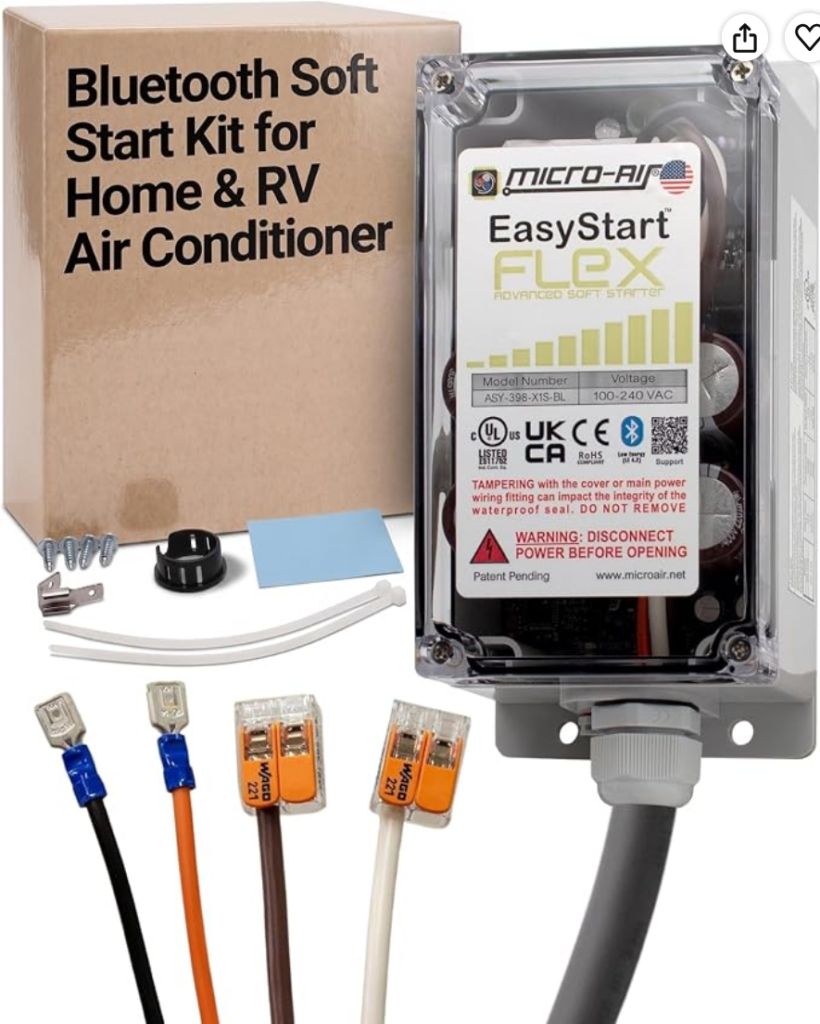
Cuts air-conditioner startup surge by about 75% so a backup generator can run central air. Includes the install kit.
A large portable station (Pecron F5000 class) covers quiet, instant backup for essential loads. A cheap/small inverter generator plus gas cans stretches that into multi-day outages without needing a huge whole-home battery bank.
Doc does not push a full ~3600 W RV-plug charge from a generator that only peaks around that same wattage — it can trip the generator. Instead he uses a regular long extension cord into a lower continuous charge (qualitatively: hundreds of watts up toward ~1 kW-ish) while house loads may still be running.
Prefer an inverter generator for fuel economy. Doc’s end-of-video guidance: economical inverter around ~3,600 to ~4,000 W. Even in this band, don’t push a full ~3600 W RV charge into a generator that only peaks near that wattage — use a gentler continuous charge so it isn’t overloaded. Doc’s Top Picks above are in that band with a built-in TT-30R (RV) outlet.
Per Doc’s video context, the Pecron-class station typically arrives with specialty pieces you will still want to complement with longer outdoor cords:
Placeholder product cards for longer extensions, inlet gear, and fuel items are on Accessories.
Soft next steps: compare Option A (Pecron F5000) vs Option B (EcoFlow Ultra X), or size loads before picking generator headroom.